
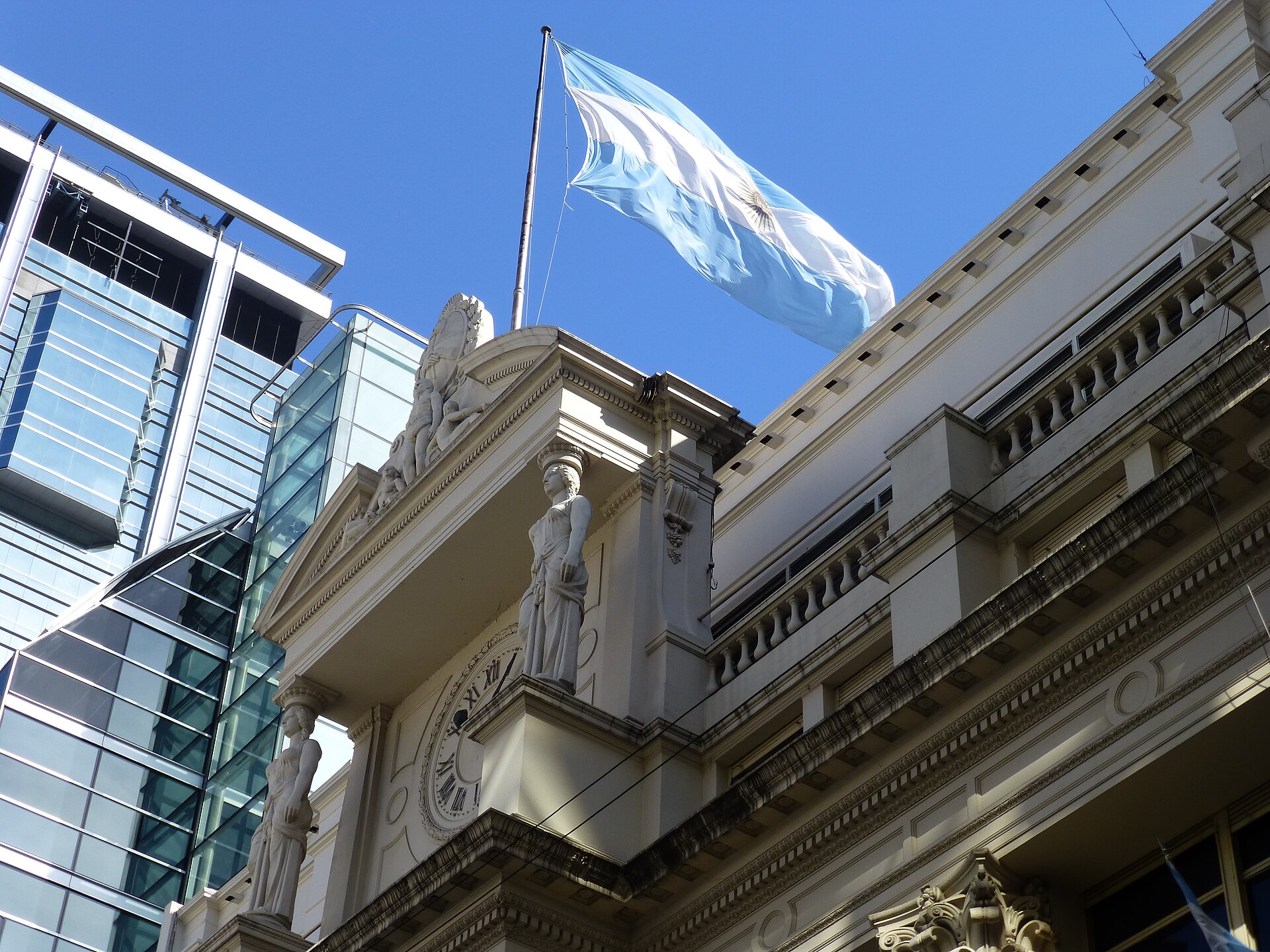
According to a report from Al Jazeera, Argentina has barred its central bank from printing money to fund government spending. The move stops the state from creating new cash to cover its bills. Leaders hope this bold step will help stabilize the national economy.
Why Argentina barred central bank money printing
Governments often print cash when they spend more than they collect in taxes. However, putting too many new bills into an economy can cause prices to shoot up quickly. When a central bank keeps rolling the printing presses, each bill buys less food, fuel, and clothing at the store.
By banning this practice, Argentina wants to show that its budget rules are real. Leaders must now find other ways to pay for public costs without turning on the cash machines. Stopping the creation of new currency is a well-known way to protect the value of money over time.
What does the ban mean for ordinary families?
Everyday life changes quickly when money loses its value from day to day. Families struggle to buy basic groceries when prices rise faster than their paychecks. Banning money creation aims to bring calm back to local markets and help people plan their weekly spending.
Here are the key effects people might see from this change:
- Price stability: Shop owners may not need to change price tags every week.
- Better savings: Cash kept in a bank account might hold its value instead of fading away.
- Tighter budgets: The state will have to cut back on projects it cannot afford.
While the goal is stability, strict spending limits can also make life tough in the short term. When a state stops funding programs with printed money, some public services may face spending caps. People will watch closely to see if their daily living costs finally settle down.
How did Argentina fund government spending in the past?
For many years, the central bank acted as an easy source of funds for public programs. Whenever the state faced a shortfall, it simply ordered new cash to be made. This allowed leaders to avoid hard budget choices, but it created long-term troubles for the whole nation.
Over time, rely-ing on the printing press made foreign investors and local citizens lose trust in the currency. When trust drops, businesses raise prices even faster to protect themselves. This painful cycle made a total ban on central bank money creation necessary in the eyes of policymakers.
What will happen next in Argentina?
The state must now prove it can balance its books without using the central bank as a piggy bank. Lawmakers will have to match every dollar of public spending with actual tax revenue. If costs rise above income, the government will need to cut spending or find other legal ways to balance the ledger.
Economists and citizens will track the inflation numbers over the coming months to see if the rule works. If prices stop climbing, other troubled economies might try the exact same fix. For now, Argentina faces a strict test of budget discipline under its new financial rules.


No comments: