
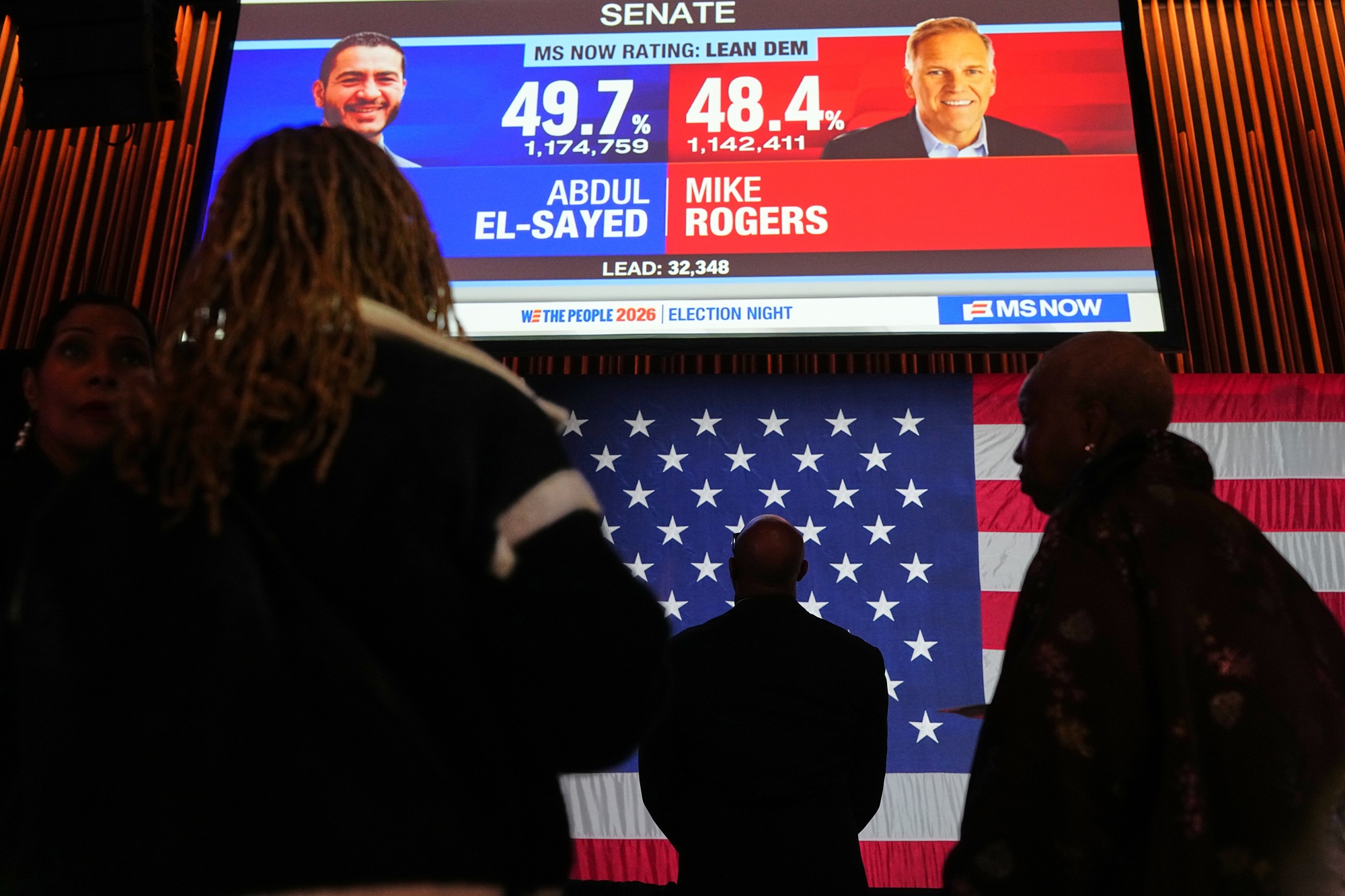
American voters are facing a split power structure in Washington right now. NBC News reported today on how citizens might respond to a divided government. People across the country must choose whether they want leaders to compromise or keep fighting.
What is divided government?
A divided government happens when one political party controls the White House and another party controls Congress. It can also happen when the two houses of Congress are run by different parties. This setup forces political rivals to work together to pass new laws for the country.
Many citizens choose to be an independent voter because they do not like either big party. These split systems happen often in American history after big national elections. When power is split, making big changes to national laws becomes much harder for everyone involved.
How do voters react when power is split?
Voters often get frustrated when lawmakers cannot agree on simple things. Some voters prefer a split government because it stops one party from making big changes too fast. Other voters hate the slow pace and blame political leaders for not fixing major problems.
Groups like the League of Women Voters work to help citizens learn about their choices during these quiet times. People often switch their support during the next election if they feel the split power failed them. Voters use their ballots to send strong messages to Washington about who is at fault.
How to tell who is responsible for lawmaking issues?
It is tough for regular people to know who to blame when laws do not pass. The president usually blames lawmakers in Congress for blocking good ideas. At the same time, leaders in Congress blame the president for refusing to sign their bills into law.
This endless blame game makes it hard to track who is doing a good job. Voters have to read the news carefully to see which side is trying to work together. Many people just vote against the party currently in charge when they feel unhappy with the news.
What will happen in the next election?
The main question today is how people will vote in the upcoming election cycle. If voters get tired of zero progress, they might give full control back to a single political party. That would allow one team to pass its entire list of ideas without stopping.
On the other hand, voters might choose to keep power divided for many more years. That choice keeps both parties in check and forces them to talk to each other. We will have to wait and watch how citizens react to this political test in the coming months.


No comments: