
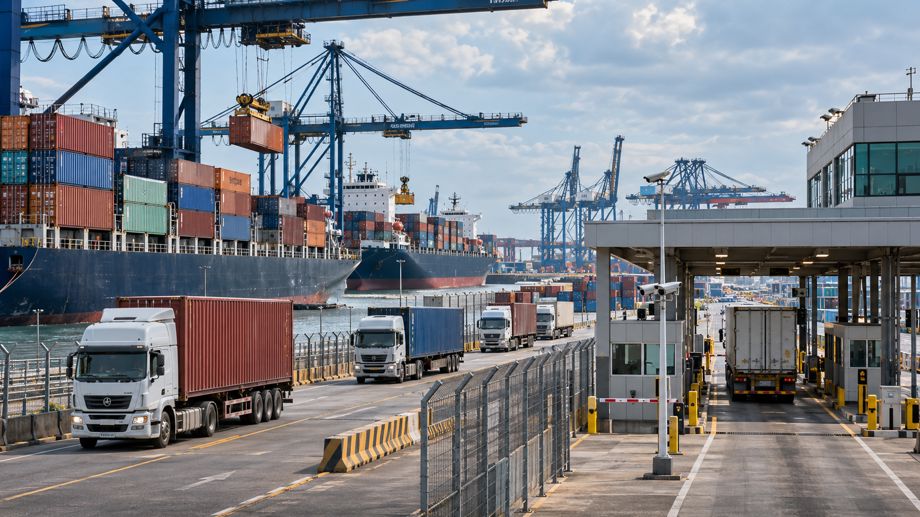
The World Trade Organization reports a surge in new trade-restrictive measures this year. At the same time, member countries are stepping up their work to make buying and selling across borders easier. These changes show that nations are trying to protect local markets while keeping global supply lines open.
What is happening with WTO trade-restrictive measures?
Governments are creating fresh rules that limit how goods move from one country to another. A trade barrier can include extra taxes on imports, strict quotas, or complex checks at the border. When nations add these limits, it takes more time and money to ship products across the ocean.
Despite these new limits, member nations are pushing back with better trade facilitation efforts. They want to cut paperwork, clear customs faster, and lower the cost of shipping goods. This double trend means trade is getting harder in some areas but smoother in others.
Why do new trade restrictions matter to you?
When countries add a new restriction, the cost of making everyday items goes up. Companies often pass those extra expenses onto regular shoppers at the store. You might notice higher price tags on electronics, clothes, food, or tools that come from overseas.
At the same time, strong trade facilitation efforts help protect your wallet. If nations clear goods at ports faster, businesses save money on storage and transport. That helps keep supply chains running smoothly so stores do not run out of key items.
How do trade limits compare to trade facilitation?
Trade limits and trade facilitation represent two different paths for the global economy. Governments use restrictions to shield their own industries from outside rivals. However, too many rules can slow down total growth and harm international relations.
- Trade restrictions create extra checks, higher tariffs, and strict limits on foreign products.
- Trade facilitation uses simple rules, digital forms, and fast customs checks to speed up shipments.
- Member nations must balance local economic goals with global market needs.
What should we expect next for global trade?
Leaders will continue to meet at international summits to discuss these new measures. Countries often negotiate a trade agreement to lower costs and remove unfair rules. How well these nations work together will decide if prices stay stable in the coming years.
Observers will watch to see if the new restrictions slow down global growth. If trade facilitation wins out, shipping will become faster and cheaper for everyone. People should stay tuned to official reports to see how global trade rules evolve next.


No comments: